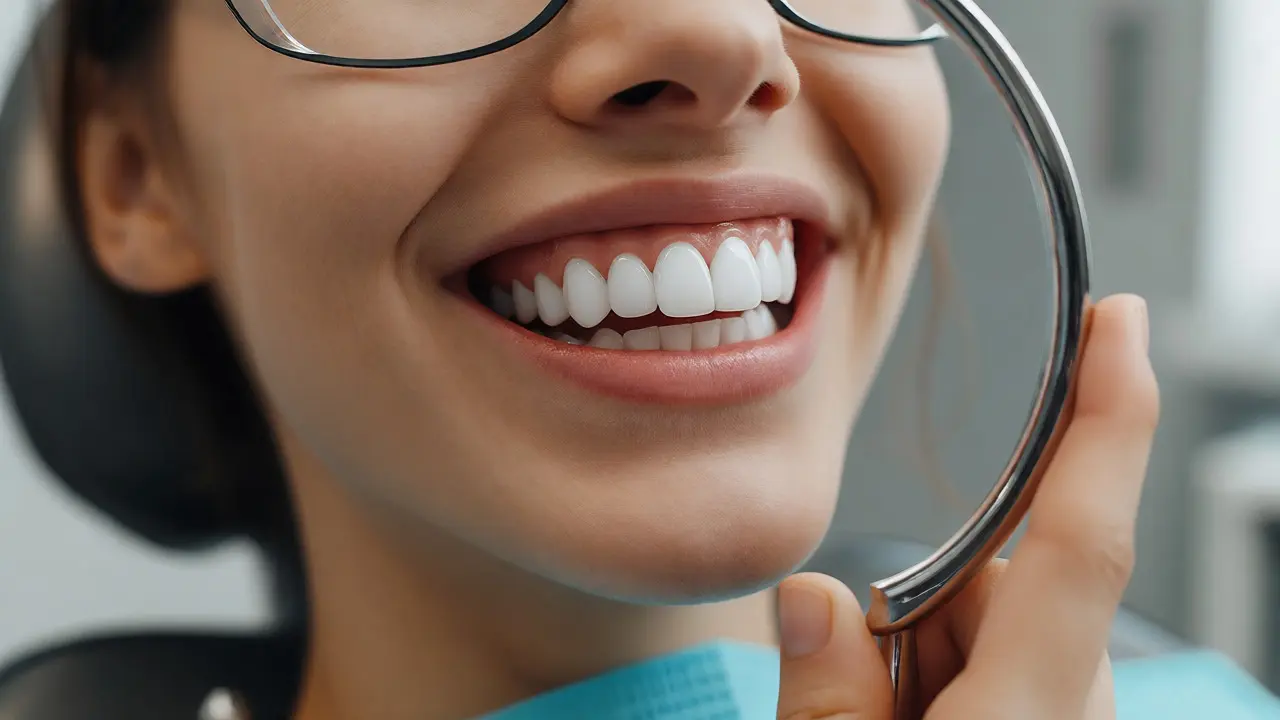
Estetické fazety: Průvodce pooperativní péčí a hojením
Kompletní průvodce pooperačním léčením estetických fazet. Zjistěte, co je normální, jak pečovat o zuby v prvních dnech a kdy vyhledat pomoc.

When your gums hurt after a cleaning, a tooth extraction, or even just flossing too hard, it’s not just discomfort—it’s your body’s signal that hojení dásní, proces, při kterém se poškozené tkáně v ústech obnovují a zacelují. Also known as regenerace dásní, it’s the silent foundation of every healthy smile. If your gums bleed when you brush or feel swollen after a dental visit, this process isn’t working as it should—and ignoring it can lead to something much worse: paradentóza, chronický zánět dásní, který ničí kost kolem zubů.
Good ústní hygiena, pravidelné čištění zubů a mezi zuby, které předchází infekcím a odstraňuje zubní kámen isn’t just about avoiding cavities. It’s the first line of defense in hojení dásní. When plaque builds up, it turns into hard zubní kámen, tvrdý nános bakterií, který se tvoří pod dásněmi a způsobuje trvalé poškození. That’s why even after a deep cleaning, your gums need time—and the right care—to heal. Skipping flossing, brushing too hard, or smoking? You’re slowing down healing by weeks. And if you’ve had an implant or a tooth pulled, the first 7–14 days are critical. Your body needs clean blood flow, no irritation, and no pressure on the area.
Many people think bleeding gums are normal. They’re not. Red, swollen, or tender gums mean inflammation is active. And inflammation doesn’t just sit there—it spreads. That’s why hojení dásní isn’t just a local issue. It affects your whole body. Studies link poor gum healing to heart problems, diabetes, and even memory issues. The good news? You don’t need expensive treatments to fix it. Simple habits work: saltwater rinses, soft brushes, avoiding sugar, and giving your mouth time to rest. If your gums still hurt after two weeks, you’re not just slow to heal—you’re at risk of losing bone. That’s when a professional cleaning or even a deep scaling becomes necessary.
What you’ll find below are real, practical guides from people who’ve been there. From how to make a natural mouth rinse that actually soothes inflamed gums, to what happens after a tooth extraction, how to choose the right toothbrush for sensitive gums, and why cleaning under the gumline is the single most important thing you’re probably skipping. These aren’t theory articles. They’re step-by-step fixes from real patients and hygienists who’ve seen what works—and what doesn’t.
Kompletní průvodce pooperačním léčením estetických fazet. Zjistěte, co je normální, jak pečovat o zuby v prvních dnech a kdy vyhledat pomoc.

Naučte se rozpoznat hnis po vytržení zubu. Rozlišujeme normální fibrin od infekce, popisujeme příznaky alveolity a radíme, kdy zavolat lékaře.

Naučte se, jak urychlit hojení dásní pomocí šetrné hygieny, výživy a přírodních prostředků. Tip pro citlivost zubů a regeneraci tkáně.

Po kyretáži zubů je důležité dodržovat konkrétní pokyny pro rychlé a bezpečné hojení. Zjistěte, co dělat, co vynechat a jak rozpoznat příznaky infekce. Více než 90 % pacientů se zahojí bez komplikací, pokud následují správné kroky.

Jak dlouho se hojí rána po extrakci zubu? Zjistěte, jak probíhá hojení dásní a kosti, kdy se objevují komplikace a co dělat, aby se rána zahojila správně a bez bolesti.